Essaouira to Marrakech by private taxi: what to expect
Driving time, the best pickup points, luggage, the last approach to the medina and how to plan the return.
Read the guide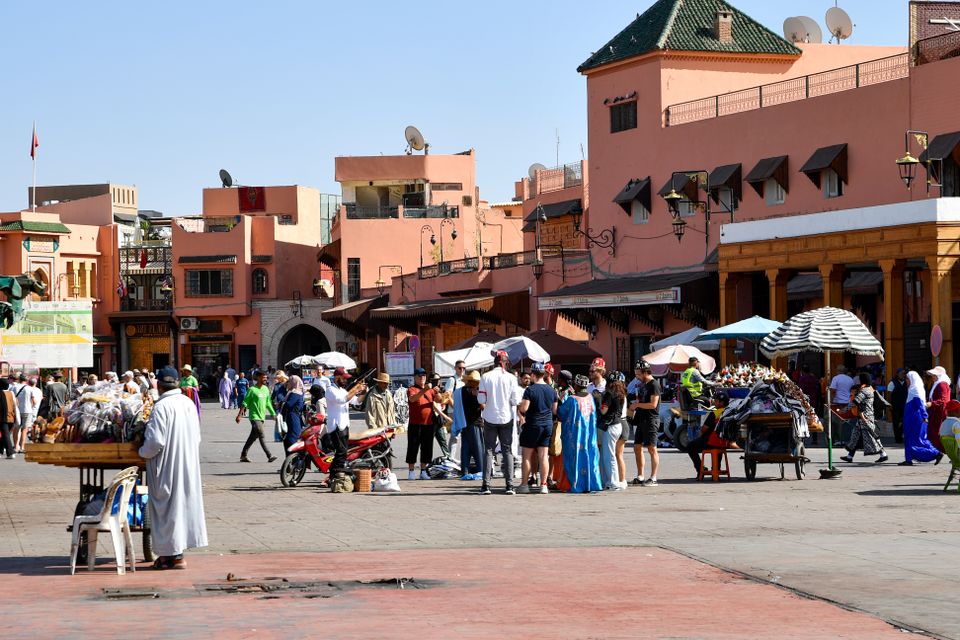
Travel notes
Route advice, timing and small local details from the team that drives these roads.
From our drivers
These guides are written by our local team. Driving times are indicative and can change with traffic, weather and roadworks. If you need advice for a specific date, ask us directly.
Travel notes
Driving time, the best pickup points, luggage, the last approach to the medina and how to plan the return.
Read the guideMarrakech, the Agafay desert, the Atlas Mountains and the coast: how to choose a day that fits your time.
Read the guideWind, warmth and quiet streets: what each season feels like on the Atlantic coast.
Read the guide
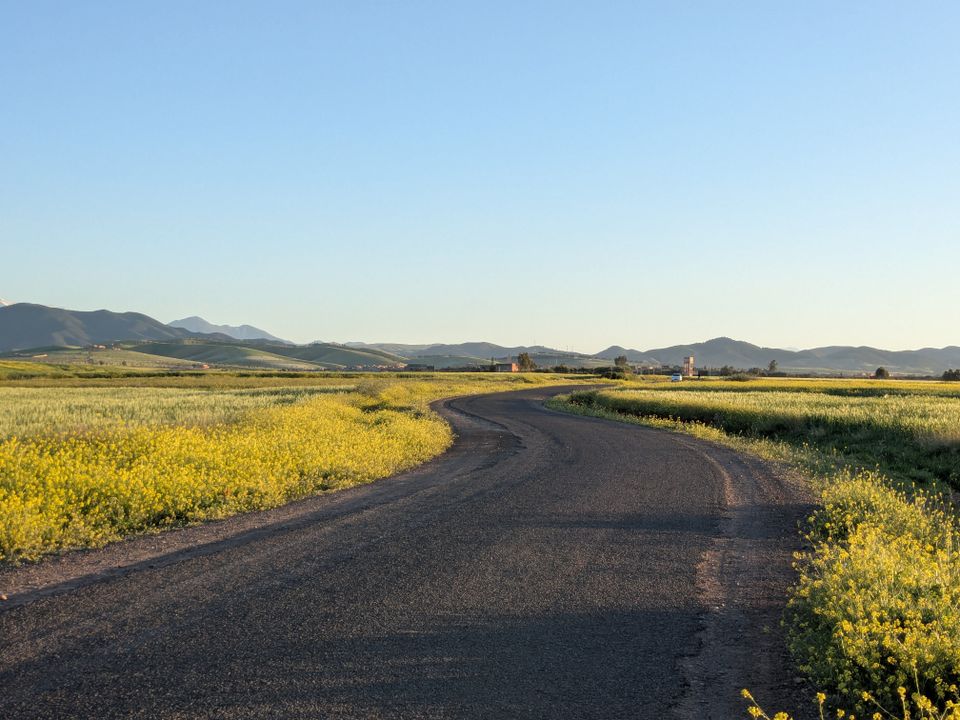
The drive from Essaouira to Marrakech takes around two hours and forty-five minutes in a private car. The road leaves the coast at Chichaoua, crosses the Haouz plain and brings you into the red city from the west. It is one of the easiest long transfers in Morocco: a good surface, regular service stations and a straightforward route.
A private transfer means you choose the departure time and the pickup point — a riad in the medina, a hotel on the beach or the airport. There is room for luggage, and you can ask the driver to stop for a coffee or a photograph. On the way, the landscape shifts from argan trees and dry stone walls to olive groves and the first ochre buildings.
The last approach to Marrakech can be busy, especially in the late afternoon. If you are staying inside the medina, the driver will drop you at the nearest accessible point and help you find the way to your riad. Tell us in advance if you have heavy bags or limited mobility.
Allow a little flexibility on the return. A late flight or a long lunch can change the plan; WhatsApp is the easiest way to adjust the pickup. Fares are quoted for the whole vehicle and confirmed before travel.
Essaouira works well as a base for a series of private day trips. The coast road north, the plain towards Marrakech and the mountains inland each offer a different day, and you can return to the same bed in the evening.
For a first trip, Marrakech is the obvious choice: the medina, the souks and the Jemaa el-Fna, with an early start to avoid the hottest hours. The Agafay desert is a gentler late-afternoon option, with pale hills, camel rides and a sunset dinner under the open sky.
If you prefer mountains, the road to Imlil and the Atlas passes Berber villages, walnut terraces and the foothills of Toubkal. A short walk and a mountain lunch make a full day. Further south, Aït Benhaddou and Ouarzazate need an early start and a long day, but the kasbah and the High Atlas crossing are worth it.
Closer to town, a half-day in Essaouira itself is easy to arrange: the ramparts, the fishing port, the medina and a mint tea by the square. Tell us what you enjoy and we will suggest a route that fits the weather and the season.
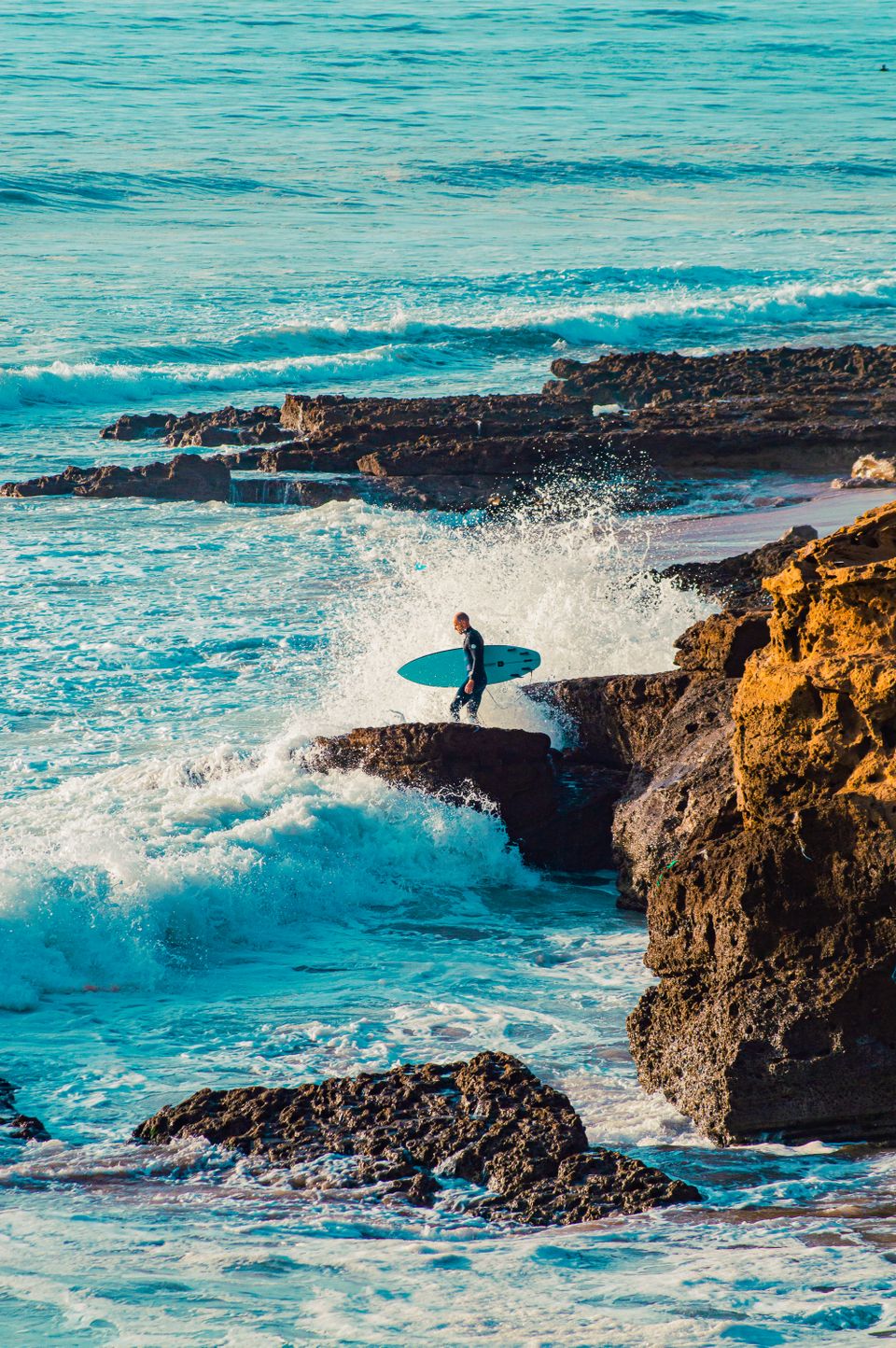
Essaouira has a mild Atlantic climate, but the wind is a defining feature. Spring brings warm days, green hills and a steady breeze — good for walking, photography and surfing. Pack a light layer for the evening.
Summer is warm and busy, with the beach at its liveliest. The wind makes the heat manageable, but it can also close the beach to swimmers for a few hours. Book transfers and accommodation early, especially around festivals and school holidays.
Autumn is many visitors' favourite season: the sea is still warm, the light is clear and the medina is quieter than in August. The wind can pick up in the afternoon, which suits kitesurfers and sailors.
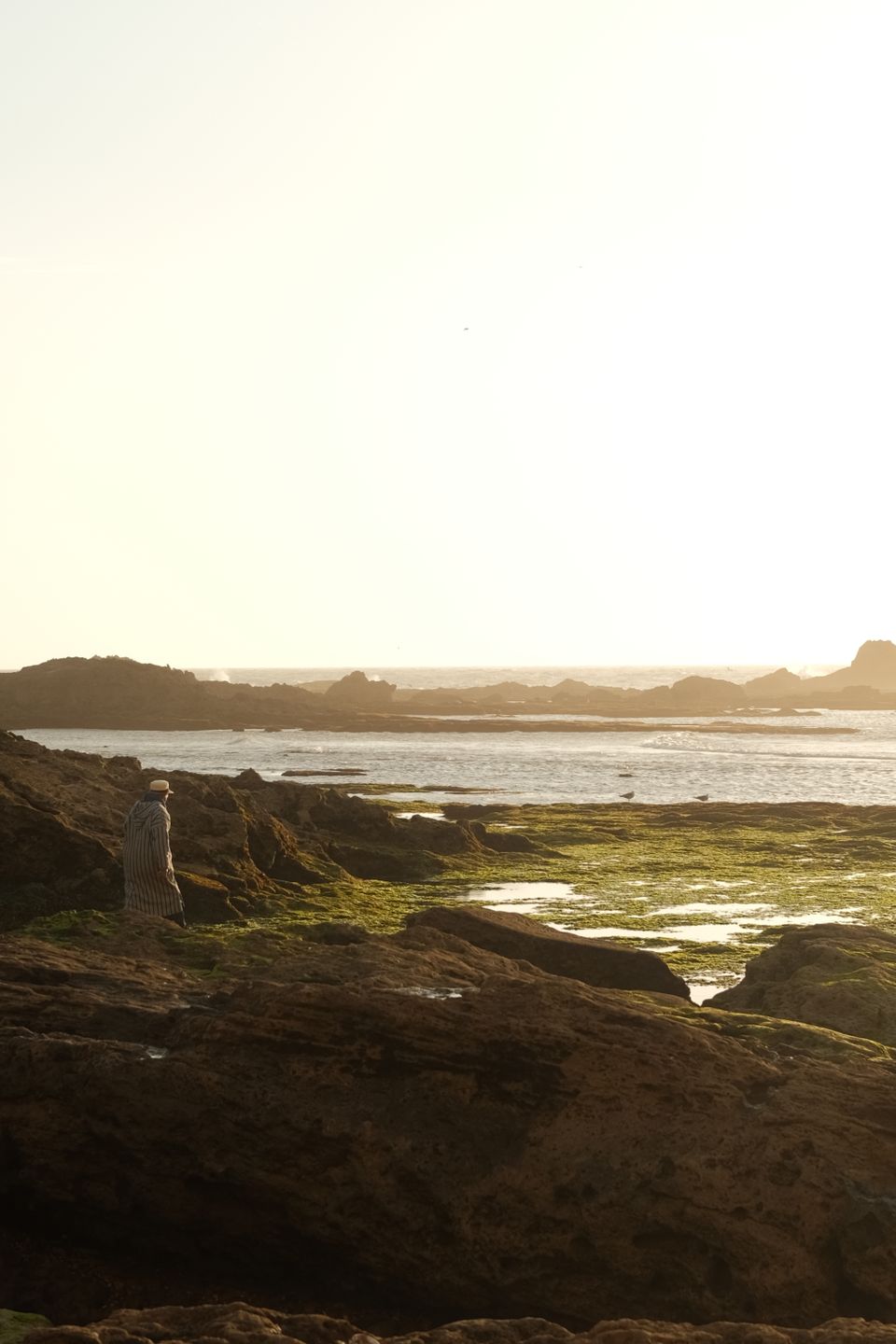
Winter is cool rather than cold, with quiet streets, lower prices and the chance of rain. Mornings can be crisp; a coat and a scarf are useful. It is a good time for city trips and long lunches, and the coast road south towards Agadir is often at its best.
Travel times are indicative. For advice on your dates, message us on WhatsApp.
Tell us which places caught your eye and we will plan the driving.